
A living laboratory of heritage
Conservatoire du Patrimoine des Abbayes
In a Maurist abbey on the Garonne, study, teaching and the care of the buildings are carried on together, after the example of the Benedictines of Saint-Maur. Researchers, craftsmen, singers and trainees share the work.
Scholarship
A research laboratory
Six programmes, each resting on the documents, carried out with universities, laboratories and European consortia. The abbey is at once an object of study, a place of residence and a testing ground.


Horizon Europe · Erasmus+
The abbey in European projects
Mabillon’s rules for the criticism of sources, applied to digital tools and to artificial intelligence in the cultural professions.
ATELIER
Horizon Europe · Culture, creativity and inclusive society
Partner, pilot site and administrator of the financial support to third parties
In preparationIntangible heritage
Horizon Europe · 2027 call
Safeguarding and transmission
In preparationThe Latin voice
Erasmus+ · Adult education
A course in spoken and sung Latin
The ATELIER projectGovernance and managementPropose a partnership
The work under way
The laboratory at work
Worksites, research and courses. Much here is unfinished, and is carried on step by step.

Gregorian chant: semiology and modality
Six days of study and singing with two Benedictine monks of Skita Patrum. Eight to thirteen singers.
5-10 April 2027 (dates to be confirmed)

The Sainte-Lucie chapel
Shoring, brick buttresses, tie rods, vaults: a training worksite, documented step by step.

The monastery as it was drawn
The plans of 1648 to 1749, found in the National Archives, set against what still stands.
Gregorian chant as living practice
An inventory, with the French Ministry of Culture, of those who still sing, direct and teach the chant.

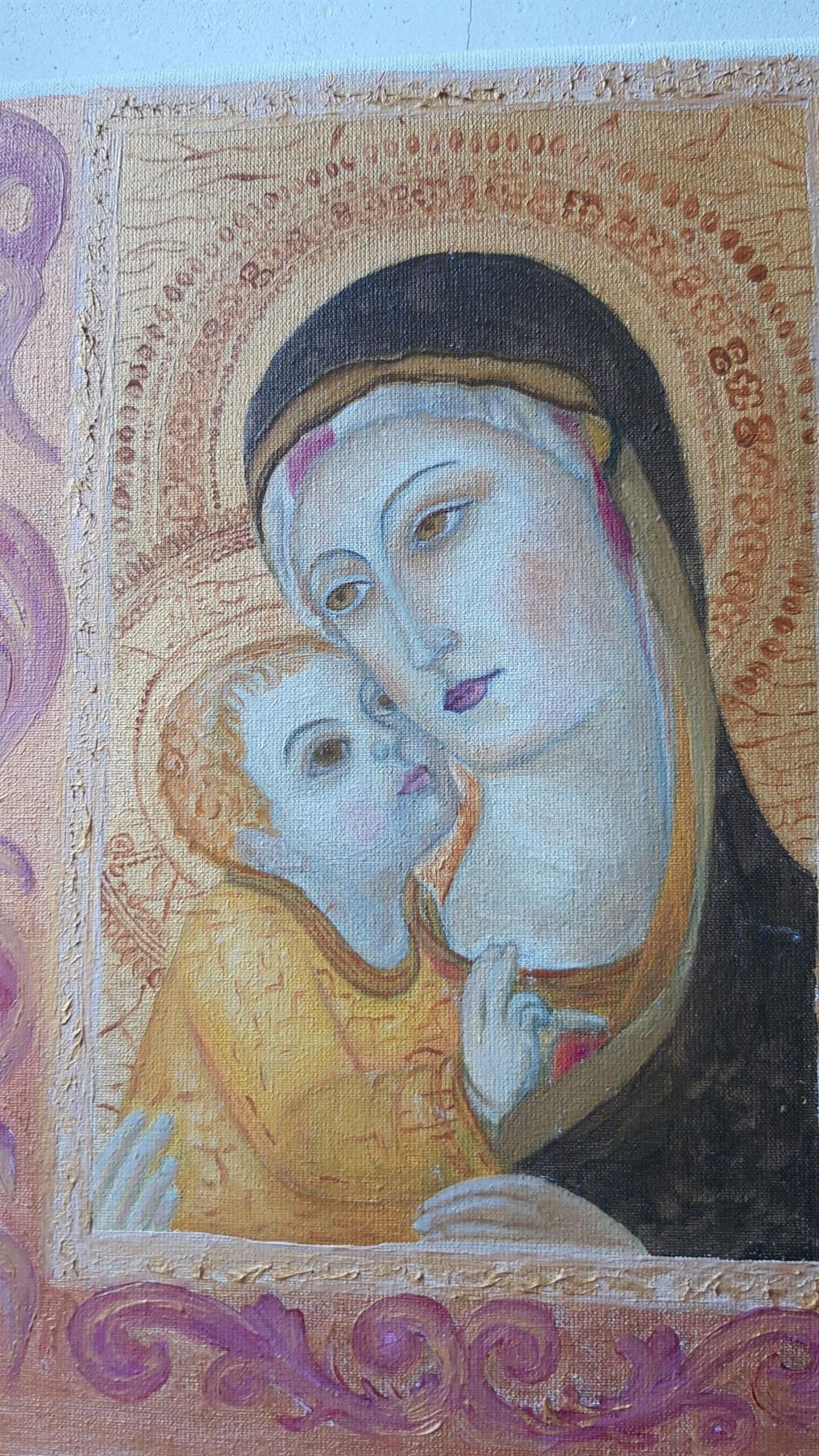
Painted decoration, polychromy, icons
Stencil work, faux wood, faux marble: old decorative schemes studied and made again by hand.
Ora et labora
One house
Pray and work: the motto that tradition drew from the Rule keeps study, craft and common life together. The Conservatoire is not a monastic community; it takes up these three labours in its own place and within its own limits.

Scholarship
Sources, monastic history, Gregorian chant, ancient languages, digital humanities. Programmes carried out with universities and laboratories.

Teaching
A residential studium: chant, living Latin and Greek, palaeography; placements, conferences and summer schools in the abbey’s sixty rooms.

Crafts
Masters pass on their craft: painted decoration, polychrome statuary, joinery, bookbinding, brick masonry. The abbey’s own worksite is the school.
From the sources to the hand
From the drawing to the roof frame
In 1679 Brother Lachezelle drew the roof frame of the dormitory. Carpenters are now restoring the roof spaces of the abbey. The same craft, three centuries apart; the slider sets one beside the other.

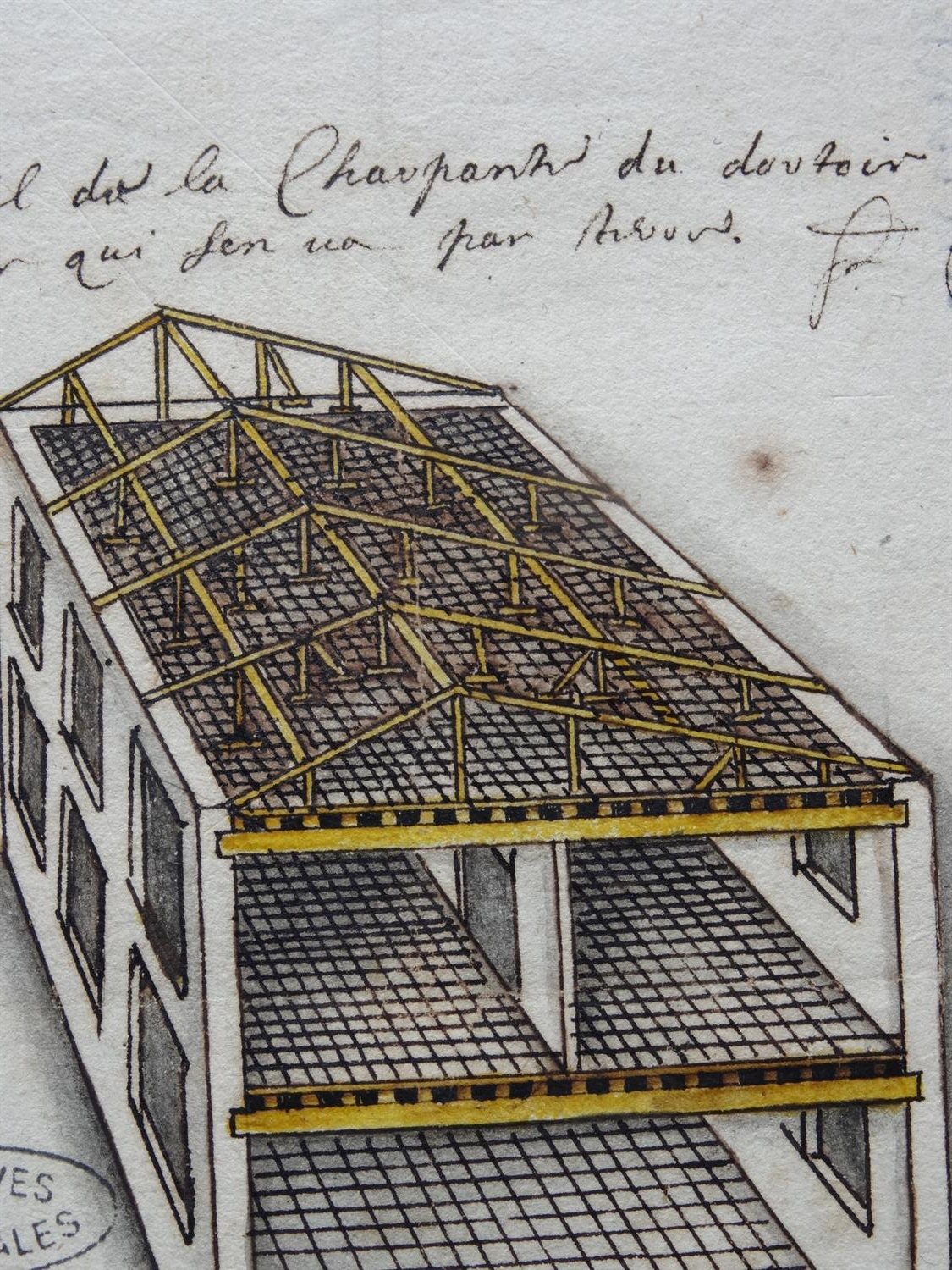 The drawing, 1679The roof frame today
“Prophil de la charpente du dortoir”, French National Archives, N/III/Tarn-et-Garonne/1/7 · the great hall under its restored roof frame.
The plan of the enclosure · 1679
Reading the grounds again
The watercolour plan of the whole enclosure, found in the National Archives, is one of the Conservatoire’s working tools. Its markers show gardens, orchards, ditches and the Garonne; most can still be recognised on the ground.
“Otiositas inimica est animæ.”
Rule of Saint Benedict, chapter 48, Of daily manual labour — read the Rule
Idleness is the enemy of the soul.
993 – today
A long history
From the earliest attestation to the present day.
Origins

On the bank of the Garonne
No surviving document fixes a year of foundation. The inventory of the departmental archives of Tarn-et-Garonne records only that the abbey “was reportedly founded in the ninth century”; the commune’s own history places it around 940.
993

The earliest secure attestation
A bull of Pope John XV confirmed Garin, abbot of Lézat and of Saint-Michel de Cuxa, in the government of five monasteries, Mas-Garnier among them: several abbeys under one abbot, not the dependence of one house upon another.
1574

Wars of Religion
The monks were driven out, the abbey plundered and burned.
1640
The Maurist reform
The Congregation introduced its observance and attached the house to its province of Toulouse.
1661
Brother Plouvier’s plans
The monastery redrawn floor by floor, and approved the following year by the superior.
1679

Gardens and orchards
Brother Lachezelle drew the whole enclosure: ditches, paths, parterres, the river.
1688

A new church
The National Archives hold its plans, among them a geometrical plan dated 1688.
1749

The great project
The rebuilding of the monastic quarters in Toulouse brick, which the Revolution interrupted.
1790

Dispersal and martyrdom
The community was dispersed and the church later demolished; the last superior general of the Congregation died a martyr at the convent of the Carmes, in Paris, in 1792.
1900

Postcards
“The Abbey, the Chapel and the new buildings”: the house photographed at the beginning of the twentieth century.
1921

Monastic life returns
A community of Benedictine nuns lived in the house until 2014.
2015

The Conservatoire
The association was founded at the abbey on 15 March. Over the last four years it has received twenty-six placements and research stays there.
2026
Chant as living heritage
The Conservatoire joins the national working group on Gregorian chant; the next studium course is proposed after Easter 2027.
Next
What follows
Worksites, residencies and courses continue, God willing, with those who come to share the work. Coming to the abbey
Then · now
The same pavilion
The tower pavilion on a postcard from the early twentieth century, and the same pavilion today.

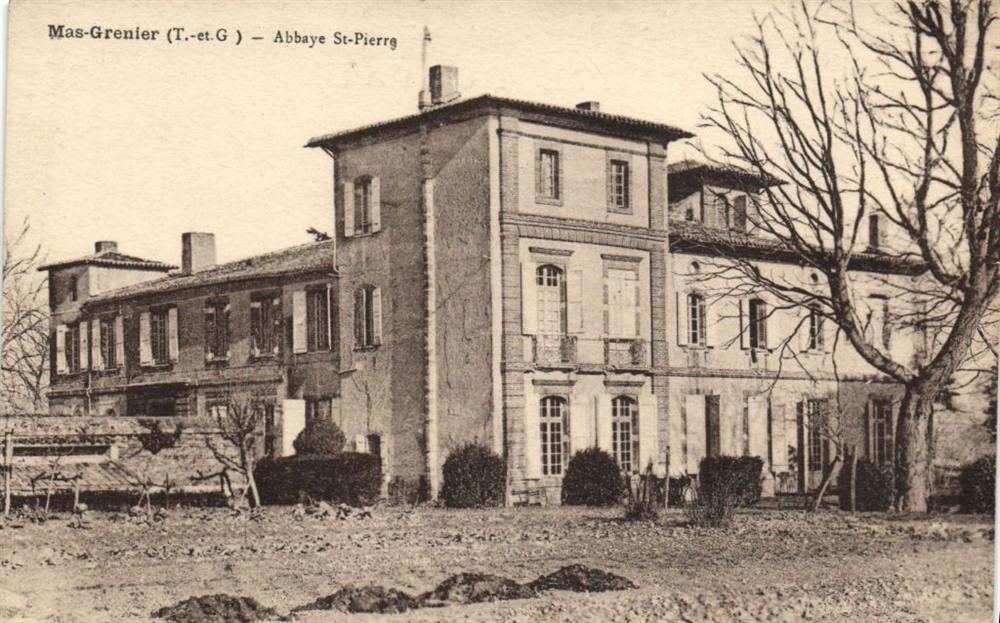 About 1910Today
This season at the abbey
Study, build, cultivate


Coming to the abbey
Receiving those who come
“Let all guests who come be received as Christ would be,” asks the Rule (chapter 53). Those who come here come to share a work: study, a placement, a worksite.

Trainees
Art history, archaeology, architecture, musicology, conservation. Formal placements, with a supervisor.
Propose a placement →Researchers in residence
A documentary collection, unpublished sources, sixty rooms and the quiet of a house of study.
Request a residency →Volunteers
French Service Civique, ages 16 to 25: “making society aware of its heritage”, on the ground.
Ask about Service Civique →
Craftsmen and volunteers
Brick and river pebbles, lime, carpentry, painted decoration: learning on the work itself, beside professionals.
Ask about a worksite →The province of Toulouse
The Maurist houses of the Midi
Mas-Garnier belonged to the Maurist province of Toulouse. Studying these houses together is one of the Conservatoire’s programmes.
Mas-GarnierHouses of the province of Toulouse
Image bank
The life of Saint Benedict
A series of seventeenth-century engravings held by the Conservatoire. Hover to stop, click to enlarge.
Next studium course
Semiology and modality of Gregorian chant, 5-10 April 2027 (dates to be confirmed), with Father Anselme and Brother Syméon, Benedictine monks of Skita Patrum.