
Crafts
Workshops
Among the Maurists, the painter, the sculptor, the architect and the organ builder wore the same habit as the scholar.
Among the lay brothers of Saint-Maur there were skilled craftsmen: the sculptor Jacques Bourlé, the architect Guillaume de La Tremblaye, organ builders such as Thomas Alport and Jean Broquard. And it was a Maurist, dom François Bédos de Celles, who gave in L’Art du facteur d’orgues (1766-1778) a description of a whole craft that restorers still consult. The Conservatoire holds these arts to be a full part of the inheritance, equal with study.

What is practised and passed on here
- Painted decoration: stencil work, faux wood, faux marble, the recovery of old decorative schemes.
- Polychrome statuary: study and conservation.
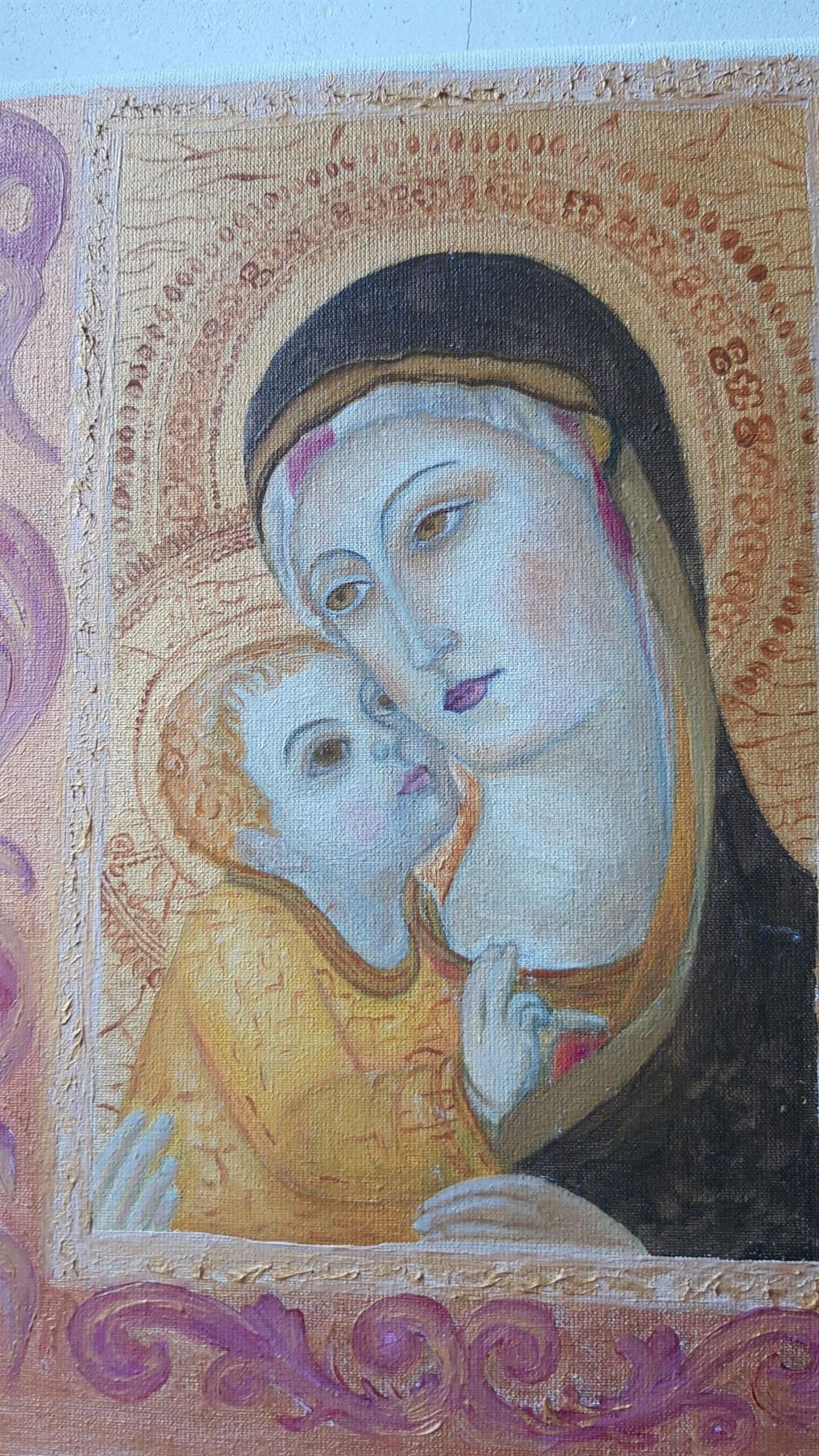
- Icon painting and the arts of colour.
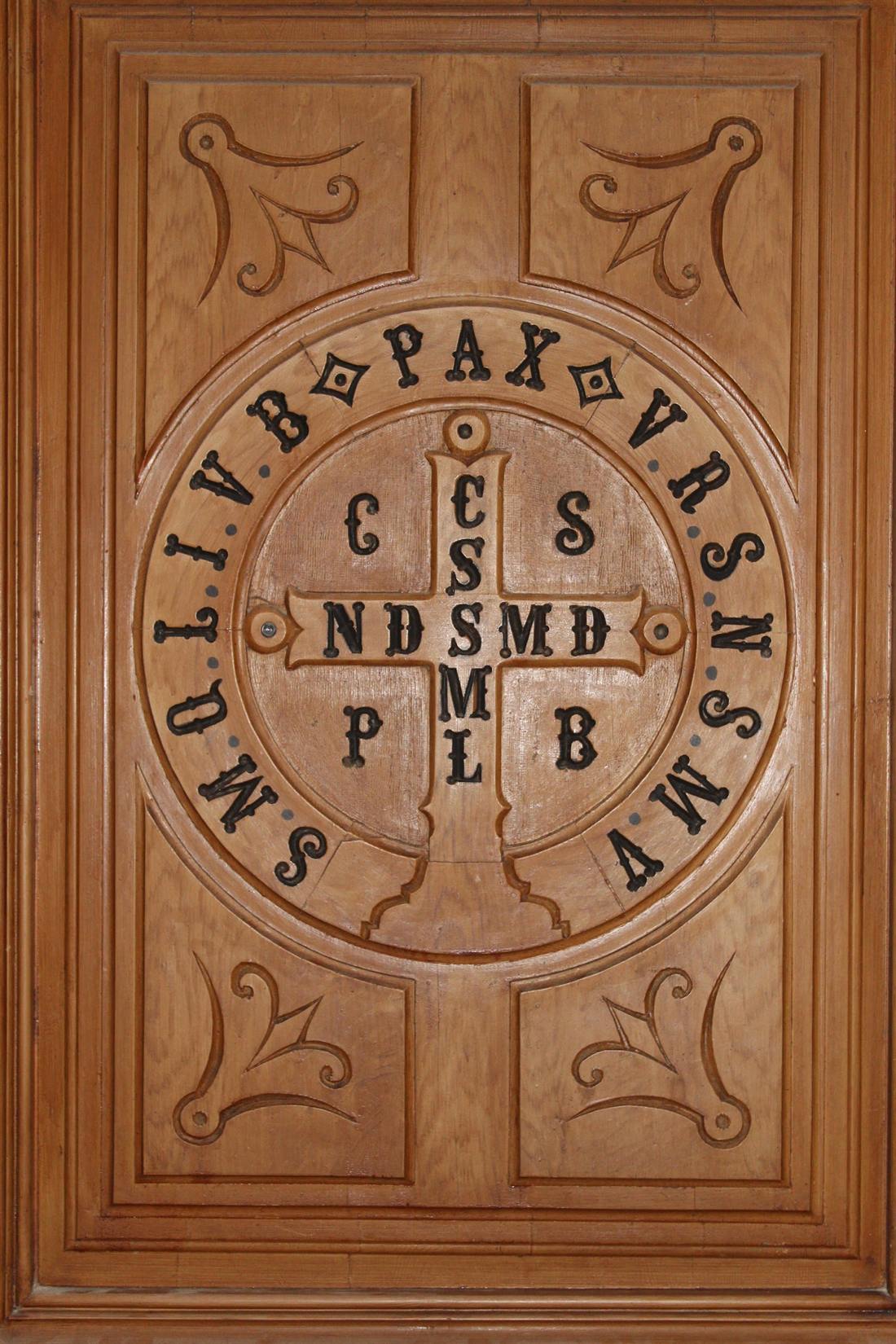
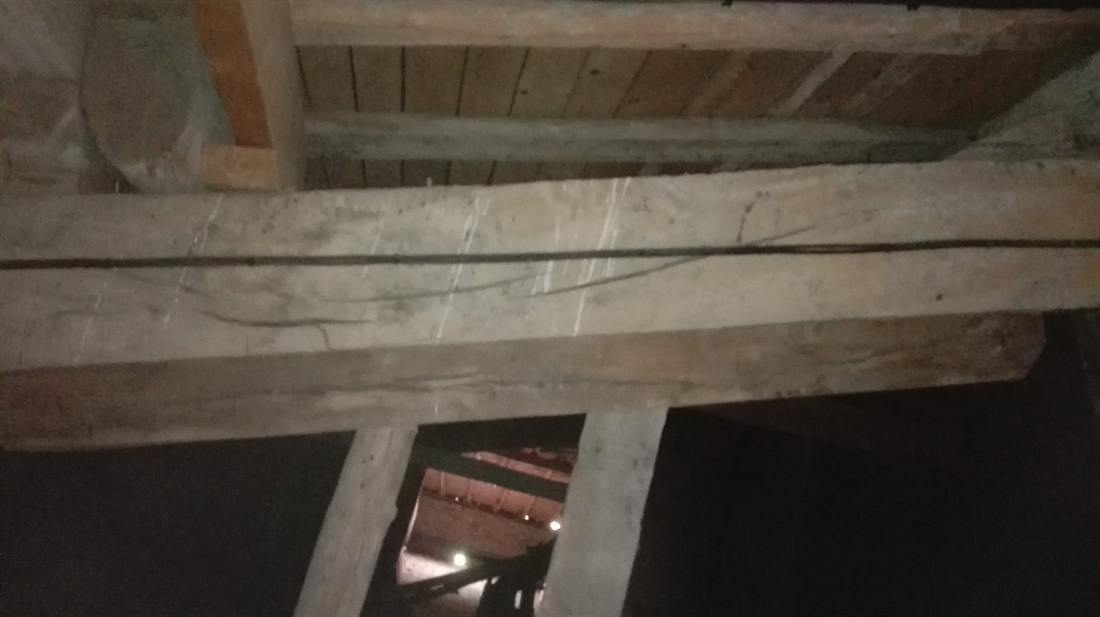
- Heritage joinery and carpentry: doors, panelling, stalls, historic roof frames.
- Brick and pebble masonry, lime renders: the building tradition of the Toulouse country.
- Ironwork, bookbinding and the arts of the book.





Training worksites and workshops open to the public
Since 2022 the Conservatoire has designed and hosted work-based training programmes, with external craftsmen as trainers and with volunteers, as well as paid workshops open to the public.
Brick and river pebbles, lime renders, the repair of old masonry.
Historic roof frames, doors, panelling, stalls.
Stencil work, faux wood and faux marble, the recovery of old decorative schemes.
Adapting historic buildings to present requirements without losing their character.
Every worksite is supervised, documented and designed to be repeated: safeguarding the skills goes together with the real restoration of the abbey.
“Artifices si sunt in monasterio cum omni humilitate faciant ipsas artes, si permiserit abbas… ut in omnibus glorificetur Deus.”
“If there be craftsmen in the monastery let them work at their crafts in all humility, if the abbot permit it… that in all things God may be glorified.”
Rule of Saint Benedict, chapter 57, Of the craftsmen of the monastery — read the Rule
The worksite as a school
The abbey is a permanent worksite. Professional craftsmen restore the Maurist buildings and train trainees, volunteers and helpers on the work itself: part theory, part practice, part common life. Every intervention is documented, and these records feed the programme on describing the crafts.
The first worksite: the Sainte-Lucie chapel
Shoring, strengthening of the brick buttresses, repointing of the east front, the fitting of tie rods and treatment of the cracks in the vaults. A costed study has been drawn up by a firm specialising in historic monuments. The Conservatoire is seeking the funds to carry it out.